
Baking Chicken with Foil vs. Without Foil: Which Is Better? Discover how covering or leaving chicken uncovered affects juiciness, crispy skin, and flavor. Learn the best method for tender, flavorful baked chicken.
When it comes to cooking the perfect chicken, many home chefs often wonder — Baking Chicken with Foil vs. Without Foil: Which Is Better? This simple choice can completely change the texture, flavor, and juiciness of your meal. Whether you’re aiming for tender, moist chicken or a crispy, golden-brown finish, understanding the pros and cons of each method is key. In this guide, we’ll explore Baking Chicken with Foil vs. Without Foil: Which Is Better? to help you choose the best technique for your next delicious dinner.
After achieving perfectly baked chicken , juicy when covered with foil or golden and crispy when baked uncovered ,you can quickly shred it for salads, sandwiches, or tacos using the premium Chicken Shredder. This handy tool guarantees evenly shredded chicken every time and makes meal prep faster and easier.
Many home cooks have the same question when baking chicken: 👉 Should I cover it with foil or leave it uncovered?
Using foil may seem like a minor detail, but it can drastically alter the flavor, texture, and juiciness of your chicken.
When baking chicken, many home cooks ask the same question: “Should I cover my chicken with foil or leave it uncovered?” If you’re also wondering how long to cook chicken breasts in the oven for perfect results, check out our detailed guide: How Long to Cook Chicken Breast in Oven: Complete Guide
Baking Chicken with Foil: The Juicy Method
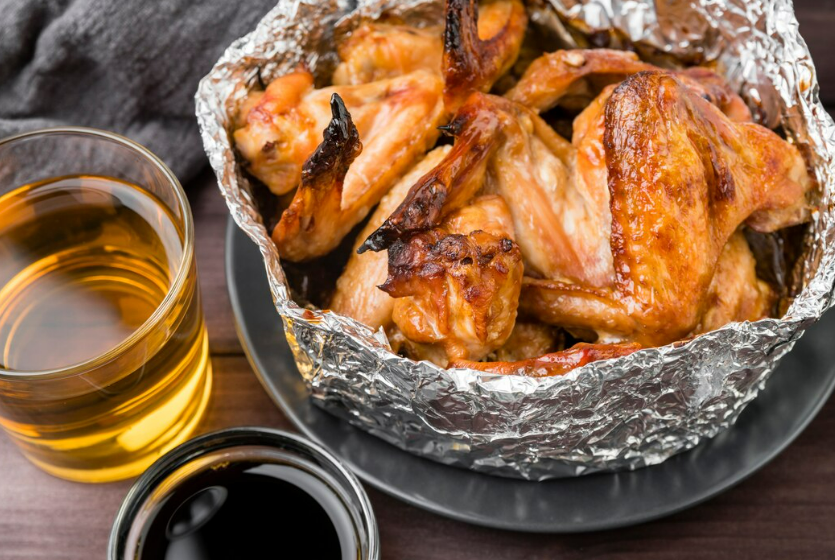
Aluminum foil can be a huge help when it comes to baking chicken that is flavorful, moist, and tender. Like a miniature oven inside your oven, foil keeps the meat from drying out and retains steam, resulting in consistently tender, juicy, and evenly cooked chicken.
Lean cuts of chicken, such as chicken breasts, which lose moisture easily, benefit greatly from the moist cooking environment created by covering them with foil. The chicken’s meat is cooked from all sides by the trapped steam as it bakes, leaving all of its natural juices intact and making it fall off the bone tender.
Using foil while baking chicken locks in moisture and traps flavors. If you want to take your foil-baked chicken further, try some of our 5 Easy Healthy Shredded Chicken Recipes for Quick and Easy Meals after cooking — perfect for salads, sandwiches, or tacos
✅ Benefits of Using Foil When Baking Chicken
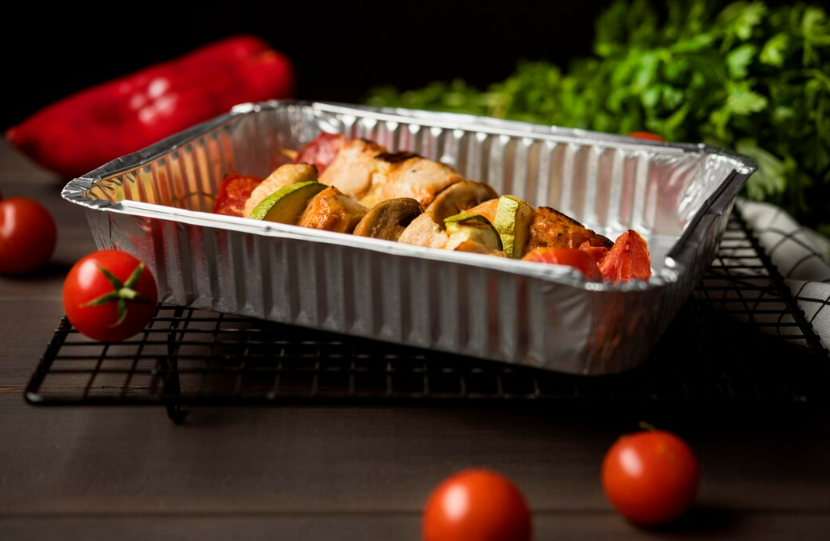
1. Excellent Retention of Moisture
The primary factor influencing the preference of many chefs for foil is its capacity to hold onto moisture. The chicken remains plump and succulent rather than dry or rubbery because the foil retains steam and its natural juices. For recipes where tenderness is essential, this is ideal.
2. Equitable Dispersion of Heat
Certain parts of the chicken, particularly the thinner edges, may dry out and cook more quickly when baked uncovered. By distributing heat more evenly, foil keeps the inside perfectly cooked while lowering the chance of the top burning.
3. Improved Infusion of Flavor
Foil functions similarly to a flavor capsule. The rich aromas that come from baking chicken with herbs, garlic, onions, or lemon slices are trapped inside the foil packet rather than escaping into the oven air. The end product is an aromatic, deeply infused chicken that tastes as though it has been marinating for many hours.
4. Easy and Fast Cleaning
After supper, nobody likes to scrub baking trays. You can catch all of the juices and marinades inside the packet by wrapping your chicken in foil. When finished, just throw away the foil and lightly rinse your tray; there won’t be any burned sauce or sticky residue.
🍋 Best Recipes for Foil-Baked Chicken
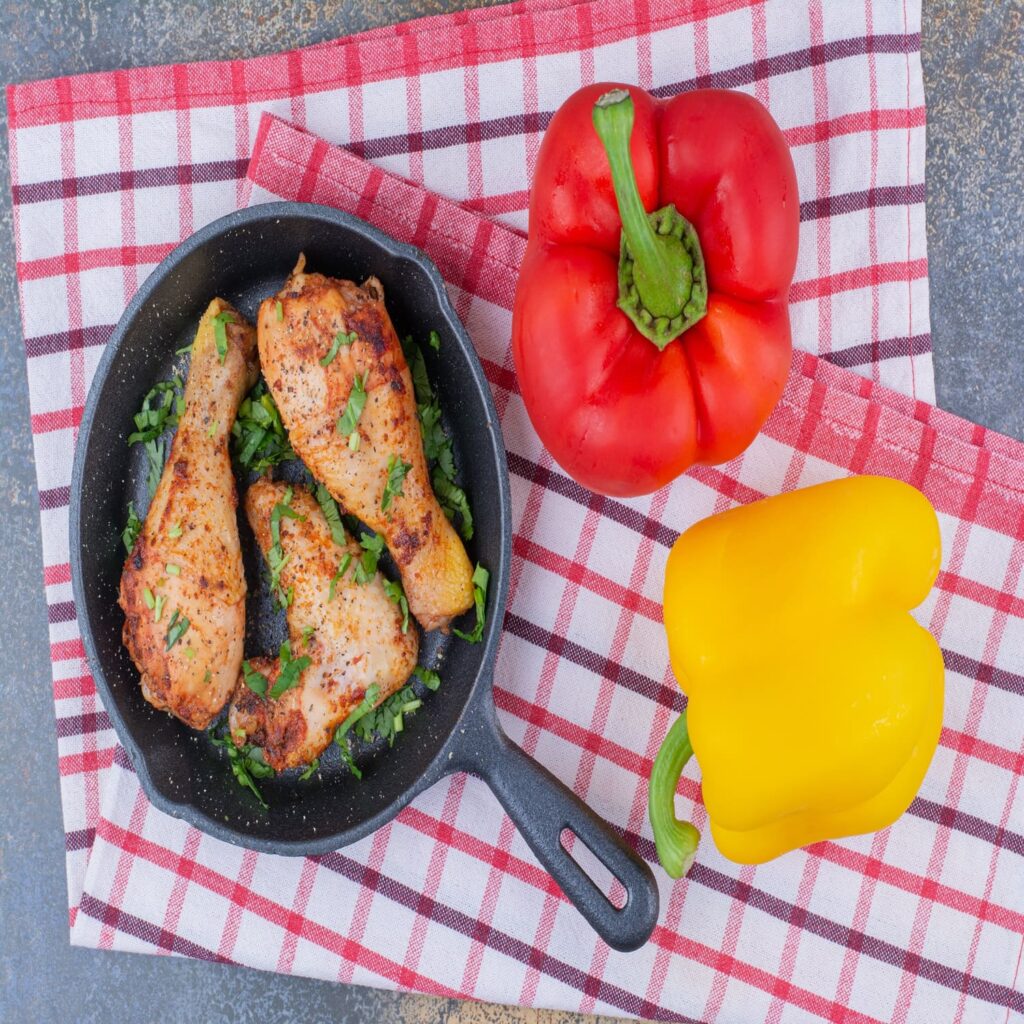
The versatility of foil-baked chicken allows it to be adapted to a wide range of cuisines and flavor profiles. Here are a few tried-and-true favorites that demonstrate the effectiveness of this approach:
Baked Chicken Breasts with Lemon Garlic
- Olive oil, garlic, lemon juice, and fresh herbs are all combined in this light and refreshing recipe, which is then sealed in foil for maximum juiciness.
Foil-packaged chicken with herbs and vegetables
- To make a full one-pan meal that cooks all at once, add sliced potatoes, zucchini, and carrots to your foil packet.
Chicken Thighs with Honey and Mustard
- These foil-baked, sweet, tangy thighs retain all of the sauce’s flavor while remaining succulent and delectable.
Chicken with Mediterranean Foil Baking
- For a colorful Mediterranean dish that is bursting with flavor and color, combine olive oil, oregano, olives, and cherry tomatoes.
- Every bite of these recipes is juicy, tender, and flavorful thanks to the foil’s ability to trap flavor and gently steam food.
🍗 Baking Chicken Without Foil: The Crispy Technique
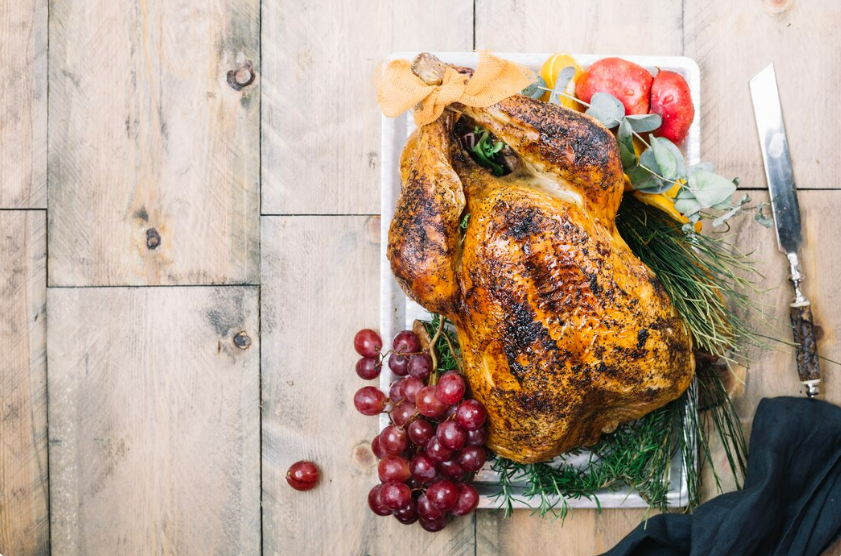
It might be best to omit the foil if you enjoy baked chicken that is crispy, golden, and flavorful. When you bake chicken uncovered, the oven’s dry heat gives it that delicious crunch on the outside while maintaining its juicy, tender interior. Anyone who wants that ideal roasted flavor and crispy texture in every bite should use this method.
The skin and surface of chicken caramelize beautifully when it is exposed directly to hot air. This creates a layer of rich, savory flavor that foil-baked chicken just cannot match. The fats render out and the juices reduce.
Baking chicken uncovered creates that irresistible golden, crispy skin. For even richer flavor, you can also use homemade chicken stock instead of water or broth when basting — learn the difference here: What’s the Difference Between Chicken Stock and Chicken Broth?
✅ Benefits of Baking Without Foil
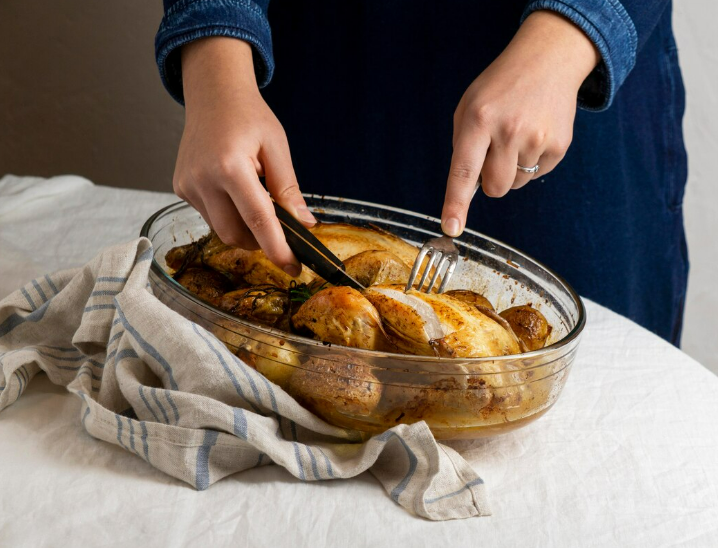
1. Crispy, Golden Skin
When you leave your chicken uncovered, the heat has more space to do its magic on the skin. The outcome? A crispy, golden-brown crust that is aesthetically pleasing and incredibly crunchy. For chicken parts that naturally contain more fat and crisp up in the oven, like wings, drumsticks, or thighs, this method works best.
2. Flavor of Deep Roasting
The natural sugars and fats in chicken caramelize on the outside when it bakes uncovered, giving it a deep, roasted flavor. The browning process, or Maillard reaction, gives you that traditional oven-roasted flavor that goes well with herbs, spices, or even a mild barbecue glaze.
3. Gorgeous, Delectable Color
Because foil retains moisture, browning is avoided. When you cook your chicken without foil, it acquires a stunning golden-brown color that elevates any dish to restaurant-caliber status. It’s perfect for situations where presentation is important, such as family dinners or food photography.
4. Improved Texture Management
You can easily check the texture and doneness of your chicken when baking it without foil. Do you want it crispier? Just add a few more minutes to the baking time. This adaptability enables you to personalize your finish, ranging from delicately browned to flawlessly roasted.
Best Recipes for Uncovered Baking
Here are some dishes that use this technique to great effect and are sure to please any crowd:
Baked chicken thighs that are crispy
With a little smoked paprika and garlic powder, the inside remains juicy and tender while the skin crisps beautifully.
Whole Roasted Chicken with Rosemary and Butter
For a golden, fragrant centerpiece dish, coat your chicken with butter, lemon slices, and rosemary. Bake it uncovered.
Oven-Baked Chicken Drumsticks in the Barbecue Style
For a sticky, caramelized skin that is bursting with smoky flavor, brush the drumsticks with BBQ sauce halfway through the baking process.
Spicy Oven-Baked Wings
Before baking, toss wings in honey, cayenne pepper, and olive oil. They get a crisp that rivals that of a restaurant thanks to the uncovered heat.
The Perfect Balance: Combine Both Methods
The key to baking chicken that is both juicy on the inside and perfectly crispy on the outside is to combine the two methods. Professional chefs use this exact technique to achieve the texture and flavor found in restaurants.
You can have the golden crispness of oven-roasted chicken and the moist tenderness of foil-baked chicken in one dish by starting with foil and then finishing uncovered.
How to Combine Foil and No-Foil Baking (Step-by-Step)
1️⃣ Cover with Foil First
For the first two-thirds of the baking time, start by loosely wrapping your chicken in aluminum foil.
By doing this, steam can accumulate inside the foil, cooking the meat slowly and preserving its natural juices.
Your objective at this point should be moisture retention rather than browning.
2️⃣ Uncover the Finish for Crispiness
Take off the foil and let the oven’s dry heat work its magic for the last 10 to 15 minutes.
The skin will develop a rich golden-brown color and that beloved roasted flavor as it crisps up beautifully.
Watch the oven during this phase; a few minutes can make the difference between burnt skin and golden perfection!
If you want even more tips on achieving perfectly juicy chicken breasts, check out this detailed guide from The Kitchn on how to cook the best chicken breasts in the oven. Their step-by-step method complements both foil and uncovered baking techniques for outstanding results.
when it comes to Baking Chicken with Foil vs. Without Foil: Which Is Better?, there’s no one-size-fits-all answer. Using foil helps retain moisture for tender, juicy chicken, while baking without foil delivers a crisp, flavorful texture. The best choice ultimately depends on your personal taste and cooking style — both methods can create delicious results when done right.
In summary, the debate over Baking Chicken with Foil vs. Without Foil: Which Is Better? depends on your cooking goals. If you prefer tender, juicy chicken that locks in flavor, baking with foil is ideal. However, if you enjoy a crispy, golden-brown texture, baking without foil might be the better choice. Ultimately, Baking Chicken with Foil vs. Without Foil: Which Is Better? comes down to personal preference — both methods can deliver delicious, satisfying results when done correctly.