


Learn how to teach kids healthy study habits with practical tips on creating a positive study environment, building routines, managing time, encouraging mindfulness, and supporting nutrition for focus and success.
Why Healthy Study Habits Matter ?

One of the most important things you can teach your child is how to develop good study habits early on. Beyond just raising grades, these behaviors help kids gain self-discipline, self-motivation, and a balanced outlook that will serve them well in life.
Children start to see the importance of time management, goal-setting, and personal accountability when they learn how to study in a systematic, reliable, and healthful manner. These abilities are crucial for fostering independence and confidence in addition to academic success.
Healthy study routines encourage children to:
- Stay focused and calm, even when facing challenges.
- Manage their energy and avoid burnout.
- Keep a positive attitude toward learning.
- Develop better memory and concentration skills.
- Create a balance between schoolwork, rest, and play.
Kids are surrounded by distractions in today’s fast-paced, digital world, which includes social media, streaming services, video games, and smartphones. It’s simple for their motivation to wane and their attention span to shorten without the right support.
It is therefore more crucial than ever to teach them efficient and considerate study techniques. Children can develop better focus and long-term learning skills by being encouraged to study without screens, setting realistic goals, and leading healthy lives.
1.Create a Positive Study Environment

A child’s environment has a significant impact on their capacity to concentrate, learn, and maintain motivation. Establishing a productive study space that promotes focus and relaxation is the first step in teaching effective study techniques.
Youngsters require a special study area that is distraction-free, cozy, and motivating. Just as adults perform better when they have a neat, orderly workspace, this helps their brains associate that area with learning and productivity.
Select the Ideal Study Location
Choose a place in your house that is calm and well-lit, away from busy spaces like the kitchen or living room. If natural light isn’t available, make sure there’s enough warm artificial lighting to prevent eye strain. Natural light is best because it improves mood and alertness.
Maintain Access to Study Essentials
The key is organization. Before beginning, make sure your child has all of their study materials close at hand, including notebooks, pens, highlighters, sticky notes, and a water bottle. This fosters independence and lessens disruptions.
To stay energized during study sessions, you can also stock up on nutritious snacks like fruits or nuts. Short snack breaks can help maintain focus over time, and a well-fed brain works better.
Assure Ergonomics and Comfort
Comfort is crucial but frequently disregarded. To encourage proper posture, make sure your child’s chair and desk are the appropriate height. Fatigue and discomfort brought on by poor ergonomics can make it difficult to focus for extended periods of time.
Use a desk that is appropriate for your child’s size and age, and if at all possible, get an adjustable chair. To maintain blood circulation, encourage them to stretch and sit up straight during breaks.
Add Inspiration and Calmness
A welcoming and inspiring atmosphere is essential for a successful learning environment. Include little accents that capture your child’s individuality, such as inspirational sayings, a tiny plant, or a neat bookcase. Children are more likely to be proud of their study space and eager to spend time there when it is aesthetically pleasing.
2.Build a Consistent Routine

One of the most effective strategies to support children’s long-term success, discipline, and confidence is to establish a regular study schedule. Children do best when they have a clear schedule because it gives them focus, stability, and motivation.
The brain naturally adapts to the rhythm of study sessions that take place at the same time every day. Studying becomes a healthy daily habit as a result of this consistency over time.
Create a Consistent Study Schedule
Whether it’s immediately after school, before dinner, or in the evening, start by scheduling a dedicated study period each day. Maintaining consistency is crucial. Your child will find it easier to concentrate without resistance if you have a set schedule that lets them know it’s “study time.
Promote Quick, Effective Study Sessions
Children have a limited capacity for concentration, particularly when they are younger. Every 30 to 45 minutes, encourage your child to take a brief break to move around, stretch, or drink some water. These pauses enhance memory retention and aid in brain recharge.
Maintaining a healthy balance between study and leisure time keeps learning fun, boosts motivation, and avoids mental exhaustion.
Integrate Study Time with Healthful Routines
A regular study schedule should incorporate aspects of a healthy lifestyle as well. Encourage your child to get enough sleep, eat wholesome snacks in between sessions, and drink water on a regular basis. A brain that is properly fed and rested performs noticeably better.
Steer clear of multitasking, which can impair focus and raise stress levels. Examples of this include studying while watching TV. Encourage mindful learning instead, in which your child is totally focused on the task at hand and present.
3. Promote Hydration & Healthful Snacks
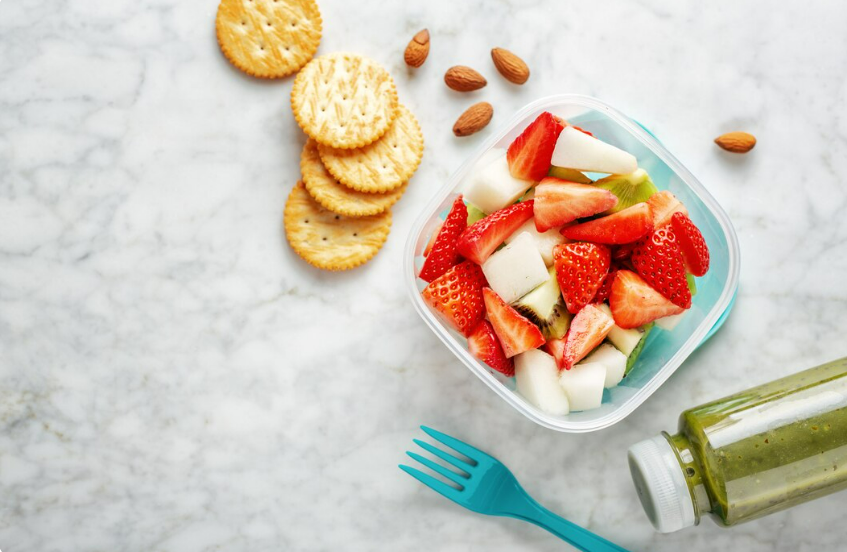
Good study habits depend on children’s diet and hydration in addition to organization and concentration. A child’s capacity to focus, retain knowledge, and maintain energy levels during study sessions is greatly influenced by their diet. For optimal performance, the brain requires a consistent flow of nutrients.
Sadly, a lot of kids reach for processed foods or sugary snacks when they have homework, which can lead to energy crashes and spikes. Offer your child balanced, healthful snacks that give them steady energy rather than quick spikes to help them stay focused and awake.
Select Snacks That Will Help Your Brain Function
Your child’s concentration and memory can be greatly impacted by the food they consume while studying. Blood sugar can be stabilized and concentration can be enhanced by substituting wholesome foods for sugary ones.
Here are some healthy study snacks you can keep on hand:
- 🍎 Fresh fruits and nuts — provide natural sugars and healthy fats for long-lasting energy.
- 🥣 Yogurt with granola — rich in protein and probiotics for brain and gut health.
- 🥕 Veggie sticks with hummus — packed with vitamins and fiber to support focus.
- 🍞 Whole-grain crackers or rice cakes — offer slow-releasing carbohydrates for sustained energy.
- 💧 Water or herbal tea — keep your child hydrated without added sugar or caffeine.
Make staying hydrated a top priority.
Although it’s frequently disregarded, hydration is crucial for brain function. Fatigue, irritability, and decreased concentration can result from even mild dehydration, particularly during homework or exam periods.
When your child is studying, make sure they have a water bottle close at hand. Instead of consuming a lot of water at once, encourage frequent sipping. Add slices of lemon, cucumber, or berries for a refreshing taste if your child doesn’t like plain water.
The Relationship Between Study Performance and Nutrition
A healthy diet directly supports the brain in addition to providing energy for the body. The vitamins, minerals, and antioxidants required for memory, learning, and emotional equilibrium are found in foods high in nutrients.
Proteins (from yogurt or hummus), complex carbs (like oats or whole grains), and omega-3 fatty acids (found in nuts and seeds) keep your child emotionally and cognitively stable.
4.Teach Time Management & Goal Setting

Learning time management and how to set specific, attainable goals is one of the most crucial study skills for children. Children who practice effective time management stay organized, experience less stress, and have greater confidence in their academic abilities.
Your child will develop discipline, motivation, and a sense of responsibility if you teach them how to organize their work and break down large projects into smaller, more manageable goals. Beyond the classroom, these are vital life skills.
Divide Large Tasks into Manageable Steps
When children see a large project or a lengthy list of assignments, they frequently feel overwhelmed. Assist them in realizing that every big task can be divided into more manageable steps.
For instance: “Complete two math tasks prior to dinner.”
✅ “Spend ten minutes reviewing vocabulary flashcards.”
📚 “Assemble your science notes for the quiz tomorrow.”
Utilize Resources to Plan and Track Your Progress
Studying can become more organized and interesting if you introduce your child to planning tools. Children can better visualize their objectives and due dates with the aid of basic tools like whiteboards, weekly planners, and colorful sticky notes.
For older children, digital resources like online calendars and study apps can also be utilized. Making time management enjoyable, engaging, and empowering is the aim.
Your child can create a weekly study schedule with your assistance that consists of:
· Homework time
· Reading or revision periods
· Breaks and relaxation time
· Extracurricular activities
5. Promote Mindfulness and Stress Relief

It shouldn’t be stressful to study, and a major part of good study habits for kids is teaching them how to cope with stress. Children who practice mindfulness and basic relaxation techniques are better able to concentrate, remember information, and approach learning with a positive outlook.
Children who practice mindfulness are better able to stay in the moment, experience less anxiety, and have better mental health overall. Your child is teaching their brain to remain composed, resilient, and focused when they engage in mindful activities for even a short period of time each day.
Easy Mindfulness Activities for Children
Include brief periods of mindfulness in your child’s study regimen:
Deep breathing techniques: Before beginning homework, teach your child to take slow, deep breaths to help them relax.
Stretching: In between study sessions, simple yoga poses or stretches can help release tension and boost vitality.
Meditation: Focus and emotional equilibrium can be enhanced by even two to five minutes of guided meditation.
Methods of Relaxation to Lessen Study Stress
In addition to mindfulness, teaching kids how to relax can help them control their emotions and avoid becoming overwhelmed:
Listening to relaxing music: Calm instrumental music can help foster a calm study atmosphere.
Journaling: To assist your child in processing emotions, encourage them to write down their ideas or feelings.
Exercises involving visualization: To help your child regain focus, ask them to spend a few minutes imagining a serene, joyful setting.
Benefits of Mindful Study Habits
When kids incorporate stress management and mindfulness into their education:
They have improved mental clarity and focus.
Test or assignment anxiety goes down.
They acquire emotional fortitude and a constructive outlook on difficulties.
Both motivation and overall academic performance increase.
Children can develop a sustainable and healthy study style that puts learning and wellbeing first by learning to stop, breathe, and reset.
For a truly effective study routine, children also need proper nutrition and healthy lifestyle habits. Check out our guide on What to Avoid for a Healthy Lifestyle?
Small snacks can make a big difference for focus. Learn more about hidden ingredients in food in Shocking Truth: Do Snacks Contain Pork? Hidden Ingredients You Should Know
You can also read more about effective strategies in this comprehensive guide on how to teach kids healthy study habits from A Healthy Slice of Life